


Social media monitoring isn’t easy, especially as your business grows and spans multiple platforms. You can’t be everywhere at once, all the time, responding to every comment and tracking every conversation.
Unfortunately, trying to do so is a common mistake businesses make.
Randomly checking feeds at different times of the day never adds up to a solid strategy. However, 10 focused minutes per day is more than enough to track conversions, spot new opportunities, and boost your brand ahead of the curve.
This guide will break down the simple, repeatable workflow you need to embrace, instead of some fantasy, ever-changing schedule that’s more frustrating than it is productive.
Why Social Media Monitoring Isn’t Optional Anymore
Brands that ignore what people are saying about them on social media platforms aren’t just missing the feedback, but they’re also losing control of the narrative. Research shows that negative social media posts spread like wildfire in a strong wind, and it doesn’t take long for a business’s reputation to be on the line.
Social media monitoring provides you with real-time insights into what customers, competitors, and influencers are saying about your brand across multiple channels. It’s different from social media analytics, which measures performance after the fact.
Monitoring helps you catch issues before they turn into a social media crisis, a missed customer complaint, a viral negative review on circulating review sites, or a trending topic that might work in your favor. The brands that are winning right now are the ones that are listening closely and responding with a sense of urgency.
If you’re not monitoring, someone else is already shaping the entire conversation for you.
The 10-Minute Social Media Monitoring Strategy
This daily workflow is designed to be fast, focused, and repeatable, instead of a deep research session that gobbles up all your time. Ten minutes, believe it or not, is more than enough when each minute has a purpose and a platform.
Stick to the same routine every day, and you’ll build a solid and consistent picture of your brand’s presence without feeling overwhelmed.
Minute 1-4: Check Conversations (Social Media Tracking)
Start by quickly scanning your core social media platforms (Twitter/X, Facebook/Meta, Instagram, and LinkedIn) for any new activity on your accounts. Look for tagged and untagged mentions, comments on your recent posts, direct messages, and any questions or complaints that require a response.
This is social media tracking in its simplest form. It’s important to understand that you’re not analyzing and trying to break posts down and square them with your own perceptions. This is simply listening. Speed matters here, and you should flag anything you deem urgent (angry customers, or negative mentions) for immediate follow-up.
Minute 5-6: Review Engagement (Social Media Engagement Tracking)
Next, do a quick pulse check on your most recent posts. Look at the content that is getting the most comments, shares, saves, likes, and replies in the last 24 to 48 hours. Social media engagement doesn’t mean you’re pulling a full report, only that you’re spotting what’s resonating right now so you can act on it.
Did a specific post format or topic gain more traction than usual? That’s a signal worth noting. In time, these small observations add up, and you can see patterns that should inform future content and your overall social media strategy.
Minute 7-8: Scan for Mentions Beyond Your Feed
Unfortunately, for many brands, this is where things fall apart. Tagged mentions are easy to see, but the real conversations about your brand are usually happening when no one is tagging your brand directly. Social media monitoring tools expedite this step. Simply search your brand name, key products or services, and industry keywords to catch relevant conversations across multiple platforms.
These untagged mentions are where you will find the most honest customer sentiments, competitive intelligence, and unexpected opportunities to join a conversation. Skipping this step eliminates half a (and arguably the most important half) of the picture from your view entirely.
Minute 9-10: Check the Data (Social Media Analytics)
Wrap things up with a quick snapshot of your overall social media performance. Which posts drove the most traffic to your site this week? Are engagement rates trending up or down? Social media analytics offers the validation layer for everything you’ve been monitoring.
This will confirm for you what is working and what is failing. Don’t view this as a monthly report (because it’s not, far from it), but as a daily “pulse check” that will keep you honest and in line with what the data is telling you about your audience.
Tools That Make Social Media Monitoring Easier
Trying to monitor all of your social media platforms manually, even if your business is still in the early phases or mid-point, is extremely time-consuming and unsustainable. You need social media monitoring tools, but you don’t need to go and start downloading the first available software on a Google search or the app at the top of the relevant apps.
Also, don’t think about this in terms of usurping your own personal judgment. It’s to simplify your workflow so you can actually make solid judgment calls every day. The key features to look for include the following:
- Aggregated mentions across multiple platforms.
- Customizable keyword tracking for your brand and competitors.
- Cross-platform visibility so you’re not logging into five different apps.
- Real-time alerts for urgent conversations or brand patterns.
Some tools offer customizable reporting dashboards, sentiment analysis, and workflow automation to streamline your response process. The best monitoring tools should save you time, not add new layers of complexity to your life.
Common Mistakes That Kill Your Social Media Monitoring Strategy
A solid social media monitoring strategy breaks down fast when you fall into common traps. Here are some things to look out for:
- Inconsistent monitoring that leaves gaps and lets issues fester before you catch them.
- Only reacting, not analyzing, like responding to comments without ever stepping back to spot the crucial patterns.
- Ignoring untagged mentions where real customer sentiment and competitor activity are found.
- Overcomplicating the process with too many metrics, tools, or steps that no one can realistically stick to.
Each of these mistakes turns monitoring into a chore instead of a competitive advantage. The fix isn’t to do more, but to do the right things consistently.
Turning Monitoring Into Action
Monitoring is only valuable when it leads to action. Here’s how to move beyond simply sitting back and observing and toward using what you find.
Respond to Relevant Conversations
You need to do this in real time, or as quickly as you can. This is especially true for customer complaints and questions that show up on social media platforms or digital channels.
Adjust Your Social Media Content
This should be done according to what is getting engagement and what topics are consistently cropping up in social conversations.
Identify Opportunities
These are things like brand advocates that you can amplify, trending topics that your team can join, or emerging trends that inform future content planning.
Share Actionable Insights
You should always do this with your marketing and sales team because it boosts their ability to monitor data, driving real business decisions and not just the social posts themselves.
You need to link social media engagement tracking with campaign effectiveness and brand perception. The link will force monitoring to stop being just a simple side task and become a core part of your marketing strategy.
A Better Way to Stay Consistent
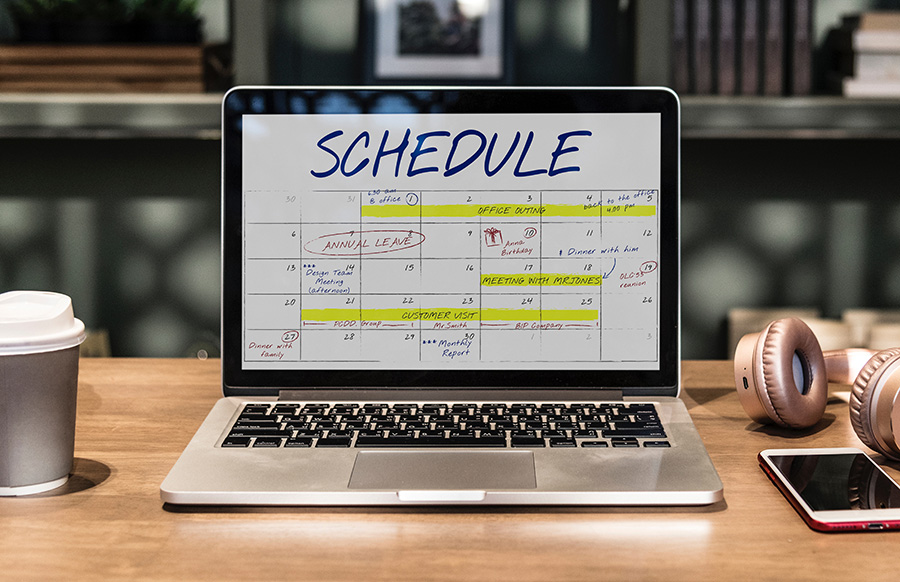
The most difficult part of any social media monitoring strategy is making it a daily habit. Build consistency by choosing the same time every day and sticking to the same workflow every single time.
You should literally set a 10-minute timer to keep yourself honest and prevent scope creep. The more consistent you are, the more patterns you will spot and the faster you will respond when it matters. Knowing how to monitor social media channels effectively means making it a non-negotiable daily block and not something you only do when you remember.
The Bottom Line: Monitor Smarter, Not Longer
Effective social media monitoring isn’t about spending hours digging through feeds and doomscrolling. It’s about building a simple system that combines social media tracking, social media engagement tracking, and social media analytics into a single, laser-focused, daily routine.
Your social media presence is one of the most direct lines to your customers, your competitors, and your market. Let us help you turn monitoring into a strategic advantage. Thrive Pop builds custom social media strategies that combine monitoring, content planning, and data-driven insights so your team never misses what’s happening in your space.
Contact Thrive Pop and let’s build a social media strategy that works as hard as you do, each and every day.