


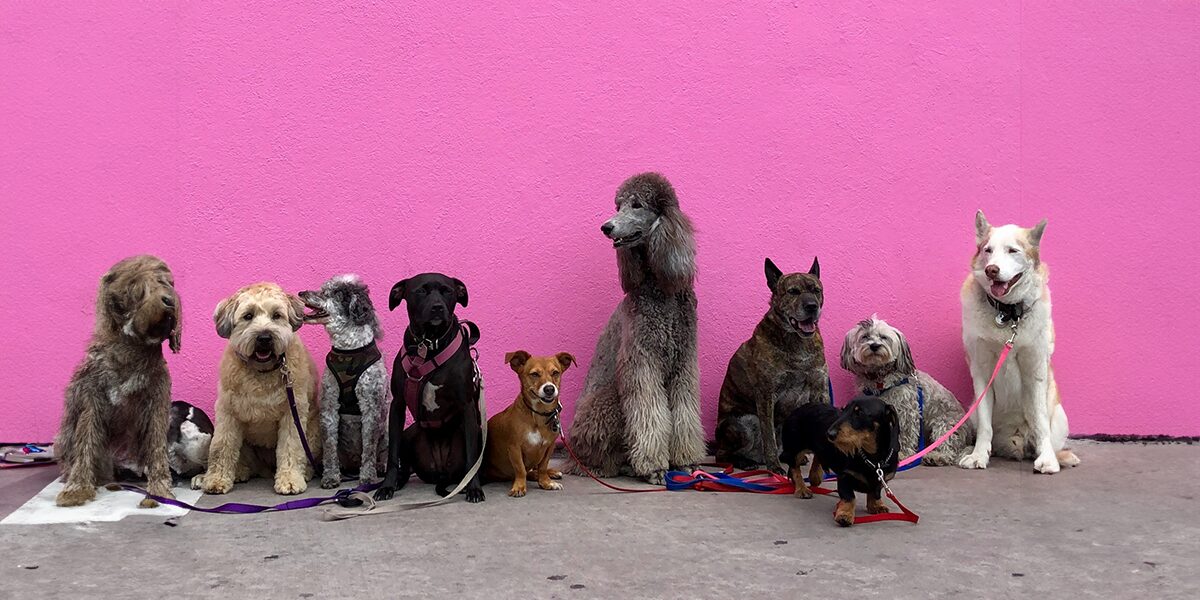
Pet products live in one of the most emotionally driven markets there is. People don’t just buy treats, toys, or food. They buy peace of mind. They buy trust. They buy reassurance that they’re doing right by a member of their family.
That’s exactly why brand loyalty isn’t a “nice-to-have” in the pet industry. It’s a growth multiplier.
Yet many pet brands focus all their energy on chasing new customers, promotions, and short-term sales, while ignoring the biggest opportunity sitting right in front of them: keeping the customers they already earned.
Let’s break down why brand loyalty matters so much in pet products and what it actually takes to build it.
Brand Loyalty Isn’t About Repeat Sales. It’s About Trust
Brand loyalty isn’t just someone buying your product twice. It’s when customers choose you even when cheaper, faster, or trendier options are available.
In the pet space, loyalty is driven by:
- Trust in product quality and safety
- Consistent results (especially for food, health, and wellness products)
- Emotional alignment with brand values
- A brand experience that feels reliable and human
When pet parents find a brand they trust, switching feels risky. And that hesitation is powerful.
Why Loyalty Matters More in the Pet Industry Than Almost Any Other
1. Loyal Customers Buy on Autopilot
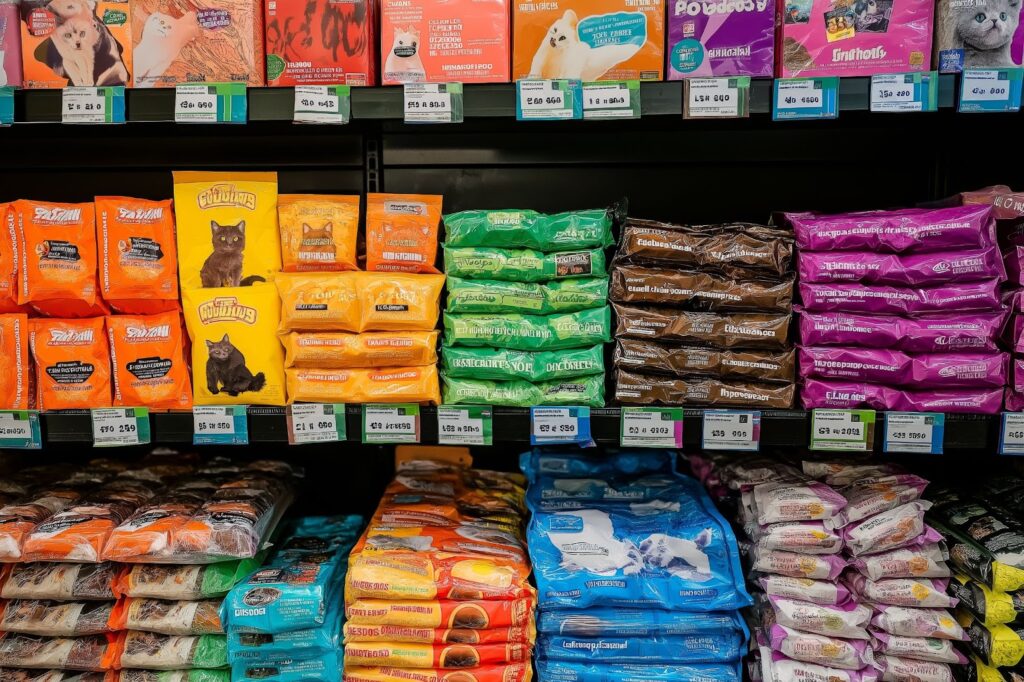
Pet products are often repeat purchases like food, supplements, grooming products, litter, and treats. When loyalty is strong, customers don’t re-evaluate every purchase. They restock.
That habit creates:
- Predictable revenue
- Higher customer lifetime value
- Less reliance on discounts to drive sales
In other words: loyalty turns marketing into momentum.
2. Loyalty Reduces the Cost of Growth
Acquiring new customers is expensive, especially in crowded pet categories with rising ad costs.
When your brand has strong loyalty:
- You spend less to keep customers coming back
- Your marketing works harder for longer
- You’re not constantly replacing churned buyers
Retention creates breathing room for smarter strategy and better creativity.
3. Loyalty Makes Price Less Important
Pet owners don’t choose brands solely on price, especially when it comes to nutrition, safety, or wellness.
When loyalty is strong:
- Customers are less price-sensitive
- They’re willing to pay more for consistency and trust
- Promotions become optional, not mandatory
That’s how premium pet brands grow without racing to the bottom.
4. Loyal Customers Become Your Best Marketing Channel
Pet parents love to share what works, especially when it improves their pet’s health, behavior, or happiness.
Loyal customers:
- Leave reviews
- Recommend brands to friends and family
- Share products organically on social media
- Defend brands they believe in
This kind of advocacy builds trust faster than any paid campaign, and it compounds over time.
The Real Drivers of Brand Loyalty in Pet Products
Consistency Beats Creativity
Great branding gets attention. Consistent branding builds loyalty.
From packaging to messaging to customer service, pet brands that feel familiar and dependable earn repeat trust.
Education Builds Confidence
Pet owners want to feel informed, not sold to.
Brands that:
- Explain ingredients
- Share how products work
- Offer guidance instead of hype
Create confident buyers who stick around longer.
Download our Branding Checklist to help your brand stand out!
Experience Matters as Much as the Product
Fast shipping, responsive support, clear communication, and thoughtful follow-ups all contribute to loyalty.
A great product with a frustrating experience still loses customers.
Values Create Emotional Stickiness
Modern pet parents care about:
- Ingredient transparency
- Ethical sourcing
- Sustainability
- Animal welfare
When your values are clear and reflected in your actions, loyalty deepens.
Why Loyalty Programs Work (When Done Right)
Loyalty programs aren’t about points for the sake of points. They work when they reinforce a relationship.
Strong pet loyalty programs:
- Reward consistency, not just spending
- Feel personal (pet birthdays, milestones, preferences)
- Create reasons to stay engaged between purchases
When loyalty feels intentional instead of transactional, customers lean in.
The Biggest Mistake Pet Brands Make With Loyalty
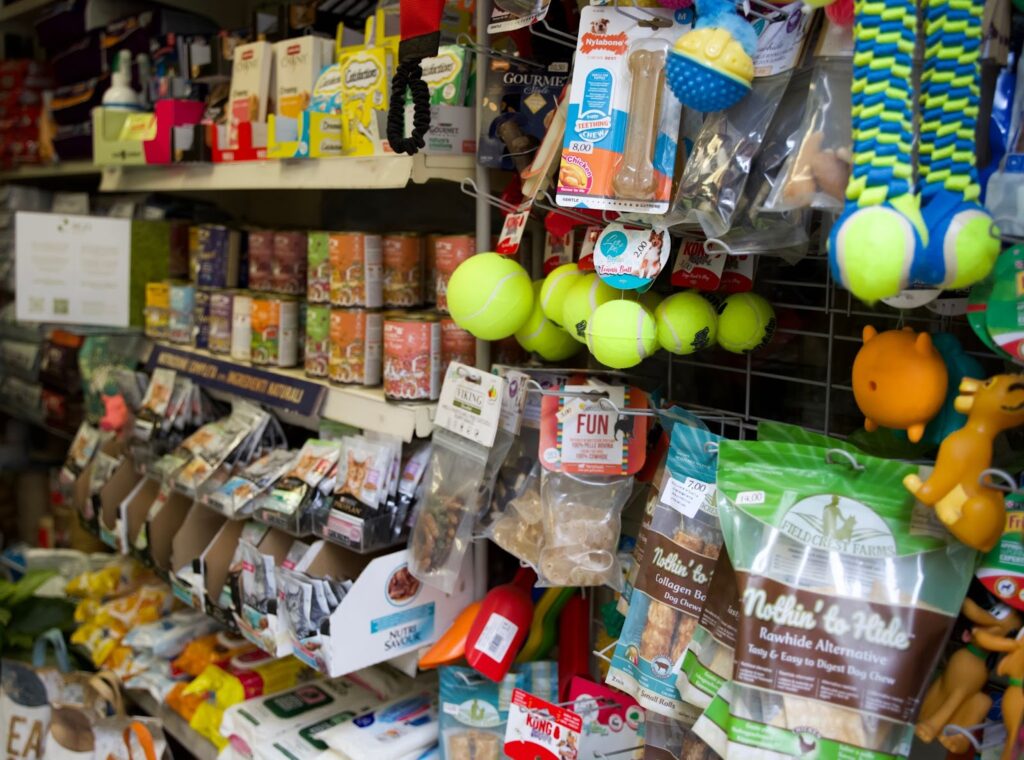
Focusing on discounts instead of differentiation.
Discounts train customers to wait. Loyalty trains them to stay.
If your brand:
- Sounds like everyone else
- Competes only on price
- Has no clear point of view
No loyalty program will save you.
Brand loyalty starts with clarity, consistency, and connection, not coupons.
What Brand Loyalty Really Unlocks
When pet product brands invest in loyalty, they gain:
- Higher lifetime customer value
- More predictable revenue
- Stronger word-of-mouth growth
- Better performance from every marketing channel
Most importantly, they stop rebuilding their audience every quarter.
Final Takeaway
In the pet industry, loyalty isn’t accidental; it’s designed.
Brands that win in the long term don’t just sell products. They build trust, create confidence, and show up consistently for their customers.
If your growth feels expensive, unpredictable, or fragile, it’s not a traffic problem.
It’s a loyalty problem.
Loyalty doesn’t happen by chance; it’s built with intention. If you’re ready to stop chasing sales and start earning repeat customers, drop us a line!
FAQ: Brand Loyalty & Pet Products
What is brand loyalty in the pet industry?
Brand loyalty means pet owners consistently choose one brand because they trust its quality, values, and experience, not just because it’s convenient or discounted.
Why is brand loyalty especially important for pet products?
Because purchases are emotional and often tied to a pet’s health and well-being, once trust is earned, customers are reluctant to switch.
How can pet brands increase loyalty?
By delivering consistent quality, clear messaging, strong customer experience, education-driven content, and authentic brand values.
Do loyalty programs actually work for pet brands?
Yes, when they reward long-term engagement and reinforce trust instead of just offering discounts.
Is customer experience really that important?
Absolutely. Slow support, confusing messaging, or inconsistent service can break loyalty faster than a bad ad ever could.
What’s the fastest way to lose brand loyalty?
Inconsistency in quality, communication, or values.

Leave a Reply