


The strongest pet brands don’t just attract customers; they give them a reason to return, recommend, and remain loyal long after the first purchase.
The pet industry is booming. U.S. pet spending hit $158 billion in 2025 and is projected to climb even higher in 2026. More money in the market means more brands fighting for the same customers.
Great products alone won’t win that fight. Today’s pet parents aren’t just buying treats, toys, or food. They’re buying trust. And trust is exactly what separates the brands people buy from once from the brands people buy from forever.
Let’s break down how to build brand loyalty that lasts, the loyalty program ideas that work, and the pet industry trends shaping all of it right now.
Why Brand Loyalty Matters More Than Ever in the Pet Industry
Pet industry trends all point the same direction: more competition, more noise, more brands fighting for the same shelf space. Pet parents have more choices than ever, and they’re using them. They expect transparency. They expect a brand to actually mean something, not just look good in a feed.
Here’s the part most brands miss: loyalty isn’t a “nice-to-have.” It’s a growth multiplier. Loyal customers cost less to keep than new customers cost to chase. They spend more. They stick around longer. That’s exactly why the smartest pet product marketing isn’t built around transactions. It’s built around relationships.
How to Build Brand Loyalty That Lasts
Loyalty isn’t one tactic. It’s a handful of things, done consistently, over and over, until customers stop questioning whether they should switch.
Build Trust Through Consistent Branding
Same look. Same voice. Same promise, whether someone finds you on your website or your Instagram feed at midnight. When your pet food branding shifts from one channel to the next, customers notice, even if they can’t name what feels off. That inconsistency plants doubt, and doubt is the fastest way to lose someone before they’ve even bought once. An authentic brand voice, one that doesn’t sound like every other bag on the shelf, is what makes people remember you at all.
Deliver an Experience Customers Remember
A great product with a clunky checkout still loses. Fast shipping. Real customer support, not a bot loop that goes nowhere. Personalized communication. An easy path from “interested” to “bought.” Customer experience isn’t the icing on top of a good product. Often, it is the reason people come back, or the quiet reason they never do.
Educate Instead of Constantly Selling
Nobody wants to be sold every time they check their inbox. Helpful blogs. Feeding guides. Social content that actually teaches something instead of just pushing a sale. Email marketing that leads with useful information builds trust long before it asks for a purchase, and that trust is what keeps your brand relevant between transactions instead of forgotten until the next promo.
Stay Consistent Across Every Marketing Channel
Website. Social. Email. Packaging. All of it needs to tell the same story. The second your messaging drifts from one channel to the next, you lose the thread that made someone trust you in the first place. Successful pet product marketing depends on that consistency showing up everywhere, not just wherever your best campaign happens to be running.
Customer Loyalty Program Ideas That Actually Work
Not all loyalty programs are built the same, and pet parents can spot the difference between a program built for them and one built to squeeze one more sale out of them.
Strong customer loyalty program ideas:
- Reward points for every purchase
- VIP memberships with real perks
- Referral incentives that reward both sides
- Birthday rewards (for pets, obviously)
- Subscription discounts for repeat orders
- Early access to new product launches
- Exclusive community access for top customers
Discounts alone won’t get you there. Research on loyalty behavior shows two in three consumers join a loyalty program expecting discounts, but nearly as many say early access to new products matters just as much. In other words: the programs that win build emotional loyalty, not just transactional loyalty. Points are table stakes. Feeling like an insider is what keeps people engaged.
Pet Food Branding and Marketing Strategies That Keep Customers Coming Back
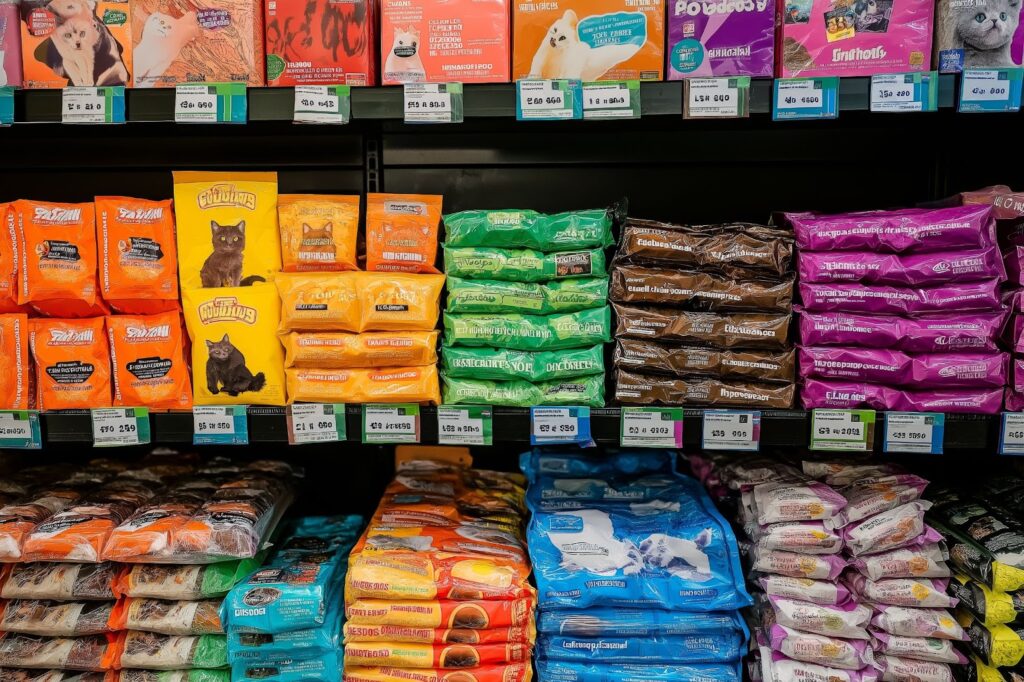
Strong packaging does more than look good on a shelf. It builds instant recognition, the kind that lets a customer spot you in a crowded aisle without thinking twice. Storytelling adds the emotional connection packaging alone can’t carry, and ingredient transparency answers the question every pet parent is quietly asking: is this actually good for my pet?
Customer testimonials and influencer partnerships prove your brand delivers on what it promises. Building community on social media keeps that trust visible, out loud, and ongoing. The brands that win long-term treat all of this as a real pet food marketing strategy, not a trend they chase for one quarter and drop the next. If your branding needs a refresh to carry that kind of consistency, a branding team can help you build something that actually holds up.
Common Mistakes That Hurt Brand Loyalty
Loyalty is easy to lose and hard to rebuild. Watch for:
- Inconsistent branding across channels
- Poor customer service
- Ignoring customer feedback
- Leaning on discounts instead of differentiation
- Generic, forgettable marketing
- No follow-up communication after the sale
Any one of these quietly chips away at trust you spent months earning.
The Brands Pet Parents Trust Keep Winning
Loyalty isn’t earned after one purchase. It’s earned every time you show up for a customer the same way, again and again.
Strong brands don’t just sell products. They build trust, create confidence, and show up consistently, on purpose, every time.
At ThrivePOP, we help pet brands build memorable identities, create meaningful customer experiences, and develop marketing strategies that turn first-time buyers into loyal advocates. If your growth feels expensive, unpredictable, or fragile, it’s not a traffic problem. It’s a loyalty problem, especially in a competitive pet products space like this one.
If you’re ready to stop chasing sales and start earning repeat customers, let’s talk.
Frequently Asked Questions
What is the best way to build brand loyalty for pet products?
Consistency is the foundation. Consistent branding, a smooth customer experience, education instead of constant selling, and messaging that holds up across every channel all work together to build trust over time.
Why is pet food branding important?
It's often the first thing a customer notices, and it needs to build instant recognition while signaling trust. Strong branding paired with ingredient transparency reassures pet parents they're making the right call for their pet.
What are the best customer loyalty program ideas for pet businesses?
Reward points, VIP memberships, referral incentives, birthday rewards, subscription discounts, early product access, and exclusive community perks all perform well, especially when they build emotional loyalty instead of just handing out discounts.
How does pet product marketing improve customer retention?
Marketing built around relationships, not transactions, keeps customers engaged between purchases. Educational content, personalized communication, and consistent messaging all play a part in turning one-time buyers into repeat customers.
Which pet industry trends are shaping customer loyalty?
Rising competition, growing demand for transparency, and a shift toward emotionally driven purchasing decisions are all shaping how pet brands need to approach loyalty in 2026 and beyond.